Forest products are all around us.
Most of us are aware of the products that the forest offer us: wood for our homes and furniture, paper for books and magazines, food packaging, toilet paper, masks, even our clothes can be made from wood and we can find many products from the forest on our plate.
Did you know that the following products also contain forest materials? Painting, pneumatics, perfumes, toothbrushes, deodorant, cosmetics, detergent, clothes, medicines, corks for wine, sponges, hair dyes, etc.
In this stop, you can take a closer look about the resources provided by the forest, timber and non-timber, and the traditional Galician way of life characterized by a sustainable use of the territory based on the complementarity and multifunctionality of the different areas that make up it.
Thanks to PEFC forestry certification, we can track the products managed in a sustainable way from the forest to the final consumer.
Products of the forest
Forests generate a multitude of environmental, social and economic benefits through their soil protection, the protection of a wide variety of plants and animal species, and the production of numerous products and services that are the livelihood of many families.
The development of new activities and products from the forest, respond to the current social demands, which tend to a circular bio economy.
Wood is a resistant, flexible and light material which offers appreciable aesthetic, durability, performance and behavioural values in use, for any construction and style. It is a renewable and recyclable resource, whose transformation process in wood products entails low energy consumption, and forms a carbon store, both in its production and phase of use.
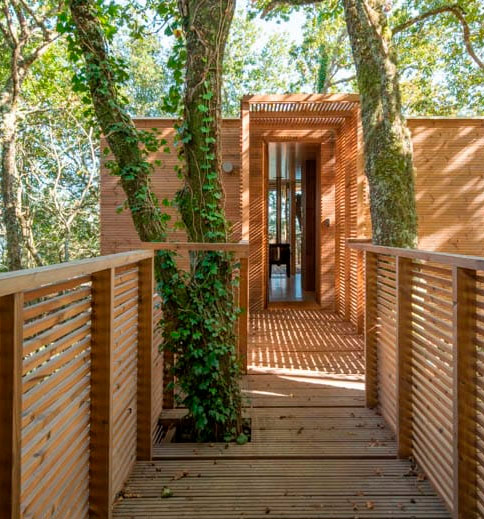
Wood is a versatile material which, alone or in combination with other materials, can be used both in structural or non-structural use, in almost all of a building.
It is an aesthetic and comfortable material, with very specific characteristics, unique appearance and high advantages that provide industry professionals with innovative, practical and economically effective solutions, while being sustainable and environmentally friendly.
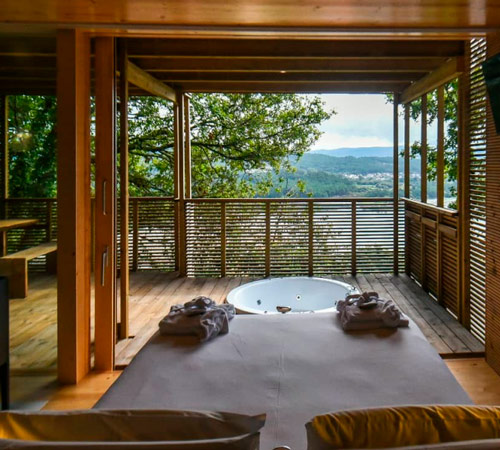
Wood still feels like one of the most popular materials in Galician architecture, you can check it on your Way in buildings, galleries, raised granaries (hórreos), boats and also how it is used in different tools of work, farming, fishing…
DID YOU KNOW…? Use of wood in constructions instead of steel or concrete would reduce fossil fuel consumption by 19% and up to 31% of CO2 emissions (UNECE).
The value chain of cellulose, paper and cardboard begins in nature, in trees, from which you get the natural and renewable raw material with which the paper and cellulose are produced by the paper industry.

From paper, processing companies produce a wide range of paper and cardboard products such as containers and packaging of all kinds (boxes, bags…), stationery materials (envelopes, notebooks, folders…) and tissue products (toilet paper, tissues, kitchen paper…). Special high-value-added papers are also produced for very specific applications (decorative papers, security papers, self-adhesive paper, metalized paper…).
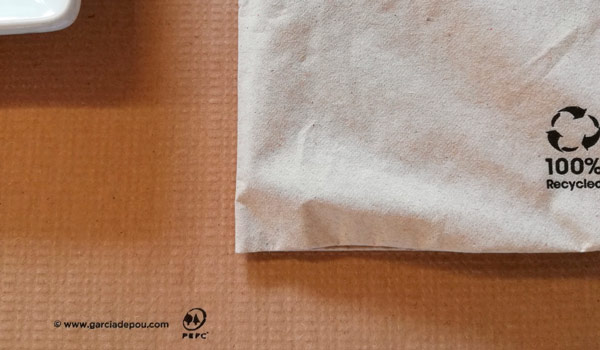
Paper is made from cellulose fibres in the wood. When that fibre is first used, it’s called virgin fibre, and when we recover it and re-use it as a raw material for paper making through the recycling process, we call it recycled fibre. But it’s actually about the same fibre at different times in its life cycle.
These bio products replace products from non-renewable fossil resources and contribute to decarbonisation.
DID YOU KNOW…? Paper packaging can be recycled 25 times.
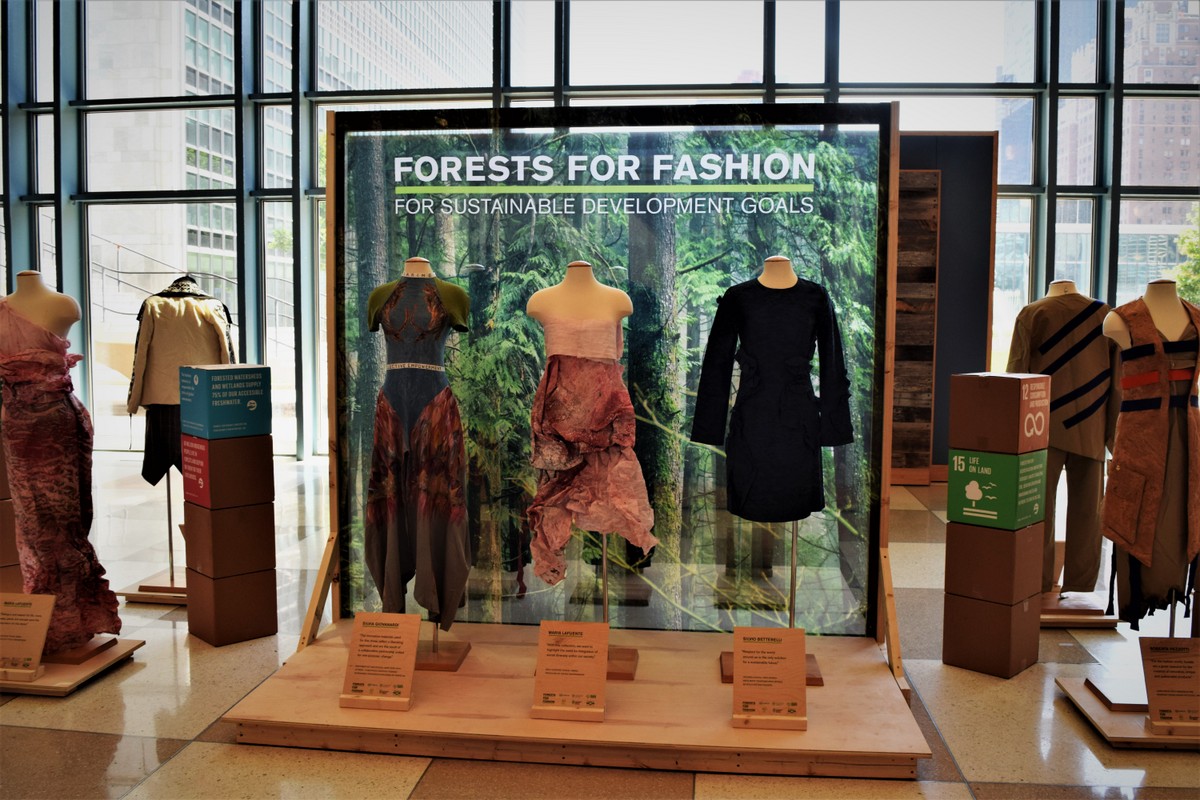
Fashion follows the seasonal cycle of nature and we are all aware of its environmental impact. However, the fashion industry is seeking to partially replace its conventional materials with sustainable alternatives, and sustainably managed forests are part of the solution.
The most popular forest fibres on the market are Viscose, Modal and Lyocell, accounting for about 6.2% of the world’s textile production. With the advancement of technology, transformation processes are increasingly sustainable, making them a cleaner alternative to other synthetic fibres (derived from petroleum) and also to cotton.
Forest fibres are natural, renewable and recyclable, reduce carbon footprint and collaborate in mitigating climate change.

DID YOU KNOW…? The production of forest fibres consumes 1/3 of energy and 60 times less amount of water than the same production of cotton fabrics. Source: LENZING
The zocas (one-piece rustic footwear, completely made of wood) were also made of wood, mainly of birch and alder. Do not confuse them with the zocos (clogs), which had the wooden sole but the rest was leather, which was greased once a week to waterproof them. The “zocas” were used for daily life, while “zocos” were reserved for partying days. Few zoqueiros (person who makes zocos and zocas) remain active, but some companies re-fashion this piece of clothing, maintaining artisanal work but innovating in its designs.

Imaxe cedida por: M.Celeiro Montero
Resin is a natural substitute for oil, extracted from the conifers, in Galicia from the pine trees (Pinus pinaster), and it is used for the production of products as diverse as cosmetics, paints, varnishes and even electrical components or food.
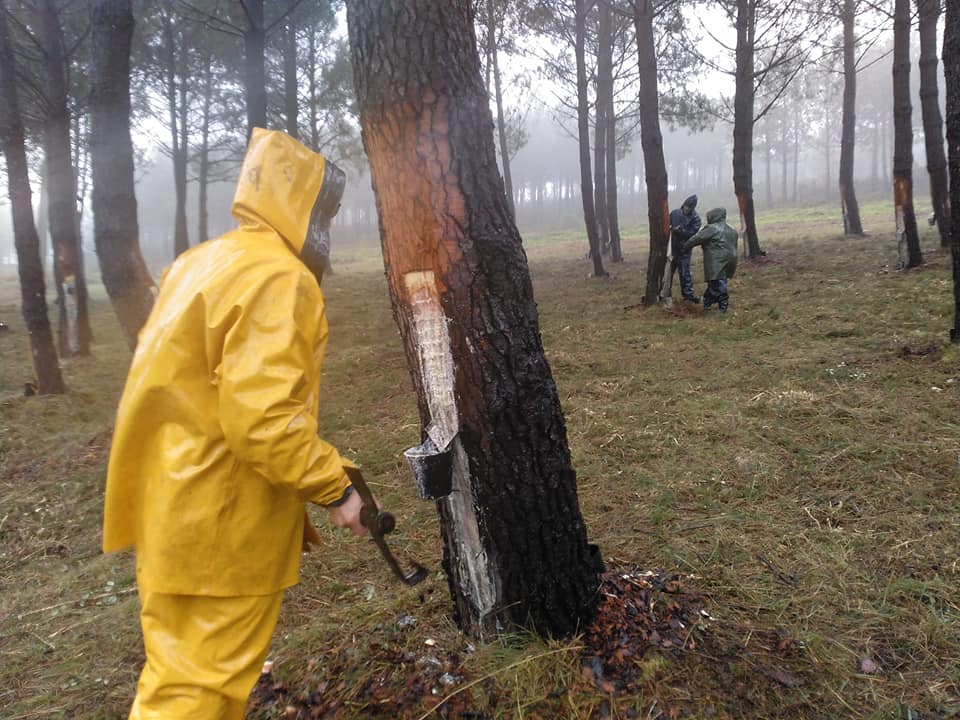
The resin initiatives have spread throughout the region in recent years as a complementary activity to the harvesting of timber, obtaining average yields exceeding 3 kg per tree per year. The average price of the resin is 1€/kg.
Regardless of the economic benefit, the resin has numerous positive effects. Thus, for example, it involves clearing the bush, which reduces the risk of fire; and creates employment, in many cases local, establishing a population in rural areas. Moreover, being an activity that requires a continuous presence in the forest, it allows the early detection of pests and diseases in the trees, while maintaining vigilance against possible fires.
If you want to take a closer look about the extraction methods, we invite you to watch the next video
Food from forests such as mushrooms, chestnuts, pine nuts, honey and hunting, contributes significantly to the food supply and nutritional quality of diets, especially in some of the most vulnerable regions of the world.

Image courtesy of : Restaurante O Rueiro. Vilaserío.
Wild products of forest origin were essential in the food of Galicians, and today they are still part of our diet, and with very interesting possibilities of commercial development in the Gourmet or Premium sector.
Wild products of Galician origin are of excellent quality and have fantastic organoleptic characteristics, flavours and aromas that are a real experience for the senses. If we add to this that their market availability is limited and that in most cases it is linked to the season we have a unique and exclusive range of products.
In this stop, you can enjoy the local cuisine, delicious dishes 5or tastings of game, mushrooms and many more products from our forests.
Did you know…? Forest activities, such as hunting and fishing, provide more than 20% of households’ protein needs in developing countries.
Forest biomass is an organic matter that originated in a biological process that can be used as an energy source, arising from residues produced in the forest (pruning residues, derived from silvicolous treatments, prunes), and by products from the timber industry.
It is an environmentally friendly energy because it contributes to reducing CO2 emissions and reduces energy dependence on oil derivatives.
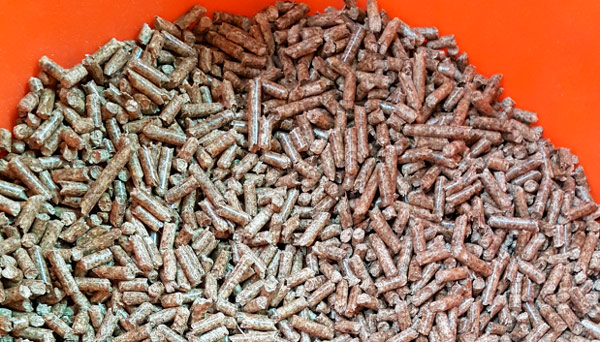
n the forests of Galicia there is a wide variety of forest species that have significant energy potential. This abundance of our forest makes Galician forest biomass a clean, cheap and energy resource for our homes and businesses. Its use contributes to the cleaning of forests, thereby reducing the risk of fires.
In Galicia, we have sufficient production capacity to meet the demand for this bio fuel, of which 140,000 tons are produced annually, the most common being pellets, briquettes and firewood.
Galicia is the first Spanish region in terms of the potential for forest waste, with an estimated availability of almost one million tons per year of residual forest biomass in a sustained condition. The climatic characteristics, population distribution and the great tradition and importance of logging reflect considerable potential for this type of energy in our region.
Did you know…? A family home can save €1,000 per year in relation to the oil boiler, which would amount to almost €13,000 for a building or neighbourhood community. Source: Instituto Enerxético de Galicia (INEGA) (Galicia Energy Institute)
Forests provide the elements used in modern and traditional medicine.
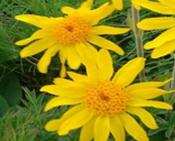
he collection of wild medicinal plants was another common activity in Galician rural areas, both to heal people and livestock. Currently, this activity is recovering due to high demand from the pharmaceutical and cosmetic industry. Chamomile, gentian, arnica or perforate St John’s-wort are some of the most common in our country. The arnica is easy to recognize because it has a very bright yellow flower with a similar scent to that of the chamomile. It has anti-inflammatory, antibiotic, healing and analgesic properties, so it would be nice if you had a twist on your foot, joint and muscle pain, or irritated skin. The most common variety in Galicia (the Arnica montana L.) generates very few allergies and is therefore one of the most demanded by the industry.
Here you can access the presentation of Plantas Medicinais de Galicia (Galicia’s Medicinal Plants) with more than 40 different species with its image, name and use, among others.
The best medicine for our mental health is to spend time in the forest, which can reduce the symptoms of anxiety and depression. Doing exercise in nature helps reduce the risk of cardiovascular accidents, strokes and obesity.
Did you know…? About 2 billion people depend on traditional medicines extracted from forests.
The galician traditional way of life
Image courtesy of : M.Celeiro Montero
The Galician traditional way of life is characterized by a sustainable use of the territory based on the complementarity and multifunctionality of the different areas that make up it: house, agra (group of plots) and forest.
Traditionally, Galician rural areas were a self-sufficient economy based on complementarity between the different spaces that make up the landscape that we spoke about in the Miradoiro de Ventosa (Ventosa lookout).

The territory was filled with small family farms, working many different, small and scattered lands, with a very basic technology (light ploughs and animal traction tillage instruments made up of many wood elements) but with a deep understanding of the environment.
The house was the centre of exploitation. Several generations of the family (grandparents, parents and children) lived together in it, and it was common for them to share space with the livestock; the barns occupied part of the ground floor of the house and the annex rooms, this way the heat of the animals was used to heat the house. Next to it were the vegetable gardens, where legumes, vegetables or fruit trees were planted for self-consumption. Further away were the agras, farmland marked by a closure covering several open plots (leiras) and shared with other villagers. Cort, wheat or rye were planted there. The pasture land for livestock was located in the vicinity of water streams or wet areas. And in the highlands, the forest, which provided the village with wood to build, firewood to heat homes, food (chestnuts…) and many other products.

These areas were not independently managed, but formed an integrated system, complementing each other..
In the first half of the 20th century, this productive strategy began to change due to several factors.
On the one hand, the process of land consolidation was launched, which aims to achieve an agricultural area management that allows for adapted use to the agricultural and forestry needs of each area, by grouping together the land of the same owner in as few plots as possible. On your trip to Finisterre, you will pass through consolidated and not consolidated areas. The rectilinear, long-path and right-angles tracks, which contrast with the narrowest and sinuous ways of other points, are telling you that the area was “ordered”; i.e., it was subjected to land consolidation.

On the other hand, the Administration and industry also started to promote new land uses, large-scale farms and specialization, in order to become more competitive on the market. In this context, the production of timber for the industry has become stronger, and fast-growing species have been introduced to increase profitability (such as the pine or the eucalyptus). The process started in public utility forests, but it was soon exported to private forests thanks to different aids and the good prices obtained in the market, as well as the low level of investment and labour required to maintain the wooded areas.
The lack of labour was another phenomenon that contributed to the abandonment of the traditional Galician way of life. Young people emigrated abroad or to cities in search of better living conditions, and the elderly population who left in rural areas alone could not face the multiple tasks involved in the old system.
All these political, social, and economic changes were reflected in the landscape. The benchmarks in the daily life of villages, associated with a specific way of connecting to the territory, were changed forever.
Alvarizas (traditional Galician apiaries)
The production of honey is one of the uses associated with the Galician forest. Many monasteries located in the camino to Fisterra, such as Ozón or Moirame, promoted This activity. But in every house there were hives, either for self-consumption or as a complement to the family economy. In the little village of Vilaserío some hives are still embedded in the walls, will you be able to find them?

raditional beekeeping in Galicia had its maximum expansion in the 18th century, with the Catastro de Ensenada recording about 366,000 hives throughout the territory. The church owned most of it, and even today there are many monasteries that still manufacture and sell it. The emergence of new, cheaper sweeteners in the 19th century led to a progressive abandonment of activity until the 70s of the 20th century, when it takes strength again, but with substantial changes in the exploitation model.
The traditional hives (also called “trobos” in Galicia) were circular, as they were made of an empty trunk of chestnut tree, cherry tree, oak or cork oak, about 50-60 cm high and 30-50 cm in diameter. Inside, it was introduced a structure of crossed sticks in which the panals were held. The top of the “trobo” is closed with a wooden or bark trap called caldullo, or sometimes with a dry straw cover (“colmado”).

The “trobos” used to be located at a corner of the unfrequented vegetable garden, next to a fence that protected them from wind and rain. Sometimes, they were located far from the houses, in areas of difficult access, oriented to the east to take advantage of the sun, and close to areas of abundant vegetation to feed the bees. In this case, the enclosure is framed with stone walls, generally circular and of a certain height to prevent the entry of animals. These open-air constructions are called abelllarizas or alvarizas. There are also hives inside the houses; the so-called “lacenas” are a small compartment built on the sun-facing wall and covered with a table. Many hives are not preserved and those that remain active cannot be visited because they are in private homes or in the forest, in areas where is difficult to access.
Once the honey was produced, it was stored in special clay vessels to consume as sweetener or as homemade medicine. The wax was used to make candles for lighting the houses and liturgy. In fact, many medieval monasteries, like that of Ozón and Moirame, were paying taxes in kind.
The role of PEFC
Consumers expect that the materials used in the products they buy will have minimal impact on the environment and, using the PEFC label, organizations show their commitment to responsible supply.
Attaching a mark to the PEFC label shows that forest-based products such as paper, timber, bark, resins and even food come from sustainably managed forests. This is increasingly important as consumers are well aware of the impact of their purchasing decisions and take environmental labels into account.
Through PEFC certification, we can track material from the forests, to the supply chain and to the final product you buy.
The PEFC chain of custody is the tracking of forest products during the different stages of the production process and their subsequent marketing. This way, the traceability of forest products from the forest to the final consumer can be assured. It is the post-certification stage of Sustainable Forest Management (of the forest) and is necessary to create an information link between the raw material included in the forest product and its origin.
Chain of custody certification is essential for companies which search access to markets, environmentally and socially responsible, or to demonstrate compliance with public or private purchasing policies that specify the provision of environmentally responsible materials as a requirement. It also allows labelling of their products so that consumers can identify and choose those products that support a responsible forest management model.

At each stage of the chain, the compliance with the PEFC system is verified through audits performed by an independent third party.
PEFC drives several initiatives to promote the use of sustainable products and materials from well-managed forests such as “Forest For Fashion” or “Fashions change, forests stay. Comprometidos co futuro dos bosques” (Committed to the Future of Forests) that aim at the world of fashion (Video , know more) or the “Sabores de Montes Sostibles” (Flavours of Sustainable Forest) campaign (here)