


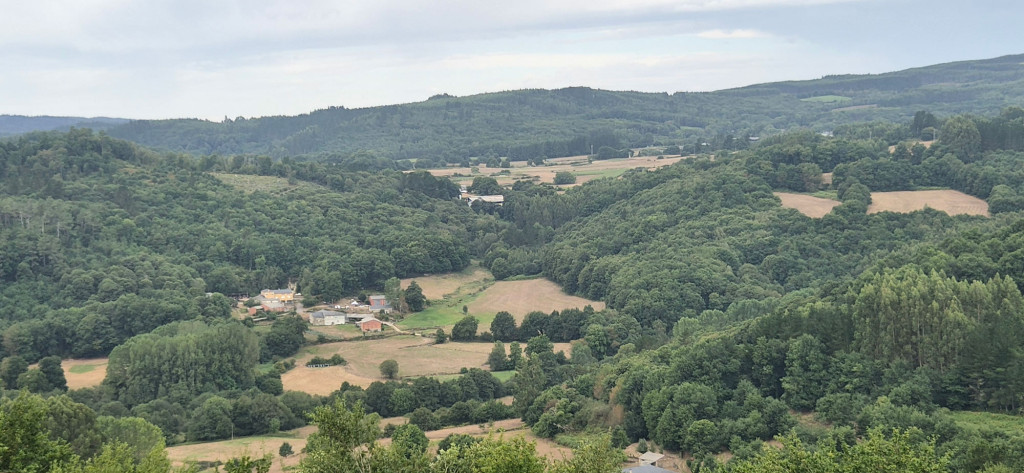
After crossing the Alto da Vacariza and heading towards Castroverde, the Primitive Way leaves the highest mountains behind and enters a landscape of gentler contours. Meadows, farmland, villages, and wooded areas follow one another in a region where the hills are an integral part of daily life.
In these woodlands, trees that have stood alongside local communities for generations coexist with forest areas managed for the production of timber and other resources. Some are notable for their age, their connection to a specific place, or the stories they hold; others are grown to be harvested and transformed into housing, furniture, paper, packaging, and the many products we use every day. All of them can be part of a living, diverse landscape that is constantly evolving.
A vibrant rural area needs people who work and find opportunities there. Responsibly utilizing forest resources generates activity, sustains local businesses and jobs, and helps maintain the bond between landowners, communities, and their land. Because when the forest holds value for those living nearby, there are greater reasons to care for and manage it, and to keep the landscape alive.
A FOREST WITH A FUTURE
The forest landscape of Castroverde is not merely a thing of the past. In the vicinity of Alto da Vacariza and other areas of the municipality, pilgrims cross a landscape where the woodland also reveals its productive side. Areas of conifers coexist with oaks, chestnut trees, birches, and other broad-leaved species, creating a forest mosaic owned by both private individuals and communal forest associations.
In addition to fulfilling numerous environmental and social functions, these trees provide us with wood, a renewable natural resource used to build homes and manufacture furniture, flooring, paper, cardboard, packaging, and many other everyday items. In certain applications, it can replace materials derived from fossil resources and help us move toward a more renewable and circular economy.
Yet, behind the journey of wood from the forest to the final product lies the work of many people. Forest owners and communities manage their woodlands; forestry engineers plan operations while companies carry out the harvesting; and transporters, sawmills, and other industries sort and process the timber. Castroverde is home to a significant network of small businesses linked to these activities, capable of working with a local resource and generating employment and professional expertise in rural areas.
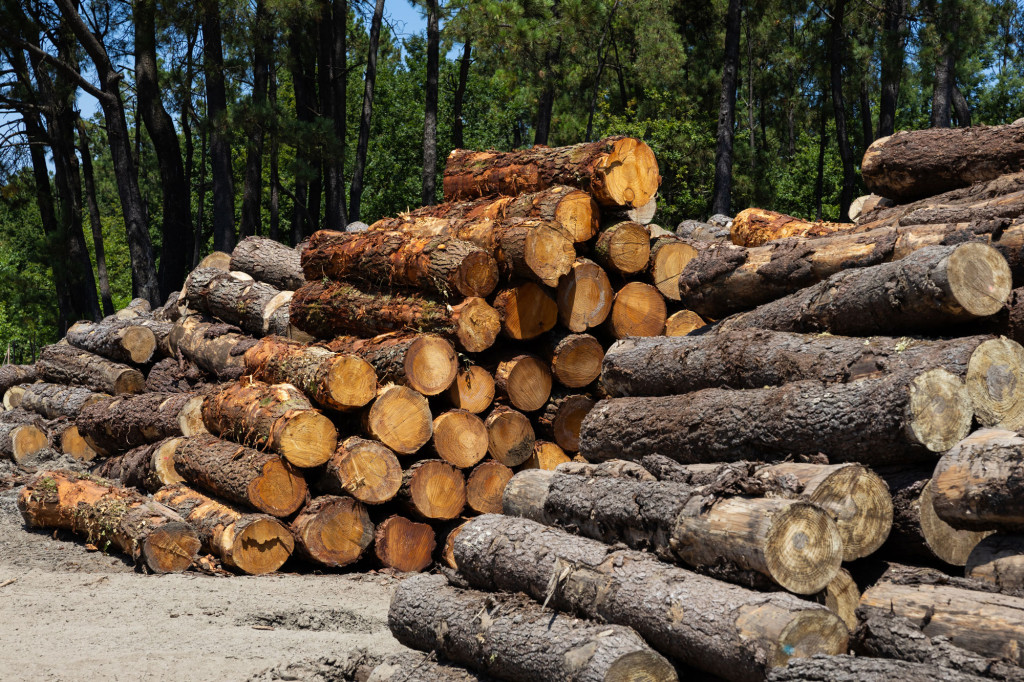
Responsible utilization generates income for landowners, stimulates the local economy, and provides reasons to continue caring for and managing woodlands. It does not mean unplanned logging; rather, it involves deciding what work each forest stand requires, when to carry it out, and how to balance timber production with the protection of soil, water, biodiversity, and the landscape.
Many surrounding forest areas and companies involved in their utilization hold PEFC certification. Sustainable forest management safeguards the resource’s origin, while chain-of-custody certification allows the wood to be tracked throughout its journey. Thus, the forest viewed by a pilgrim can be linked to local businesses and, ultimately, to certified products that become part of our daily lives.
Behind the timber there are trees, but also landowners, workers, companies, and communities that keep the territory alive.
THE CASTLE AND ITS LANDSCAPE
Before continuing toward Lugo, the silhouette of the Castroverde Tower-Fortress draws the eye upward. Situated on a rise overlooking the town, it was once part of an ancient medieval fortress; today, the Keep and remnants of the walls still stand. Its position allowed for the monitoring of roads and provided a commanding view of the surrounding area.
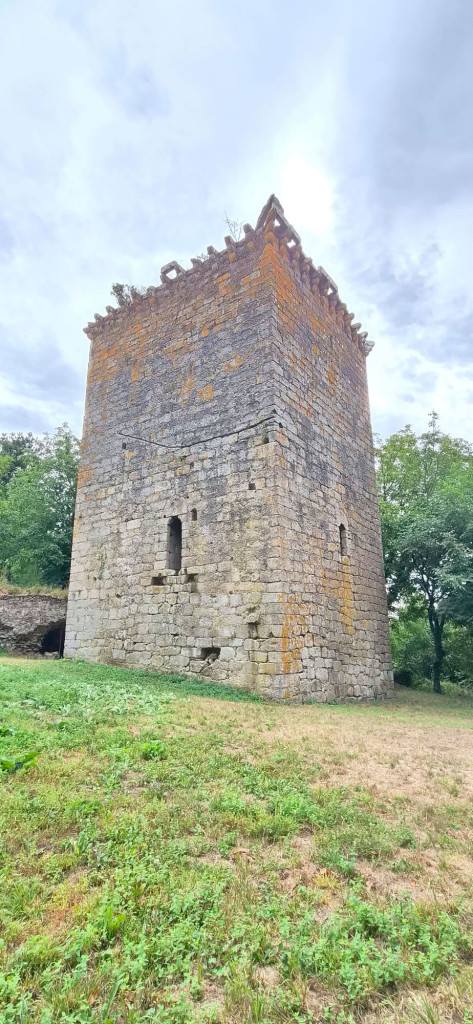
From this spot, the relationship between heritage and landscape is particularly well understood. The tower cannot be explained solely by its walls; it must also be understood in terms of the rise upon which it was built, the routes that ran at its base, and the territory visible from it. Meadows, villages, paths, and woodlands all form part of that historical setting.
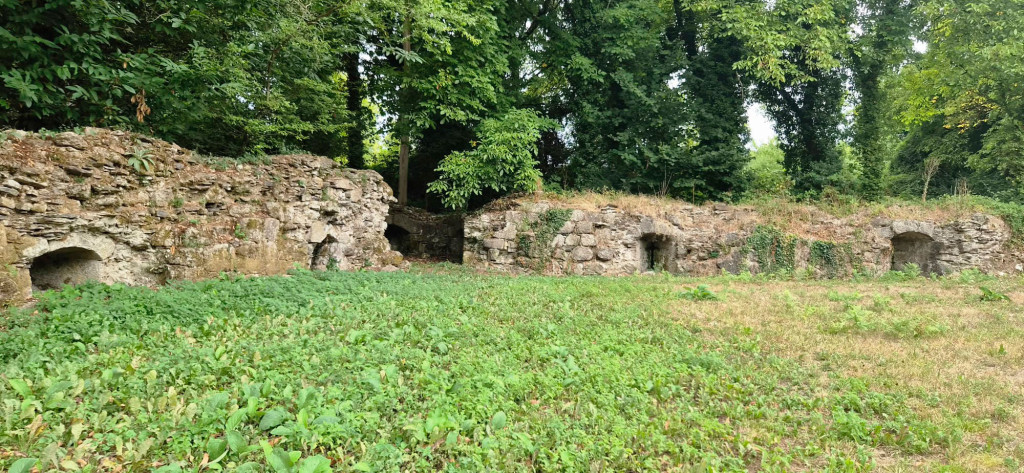
Today, the fortress remains a visual and symbolic landmark for Castroverde. Its image even appears on the municipal coat of arms, serving as a reminder that the landscape helps us understand our heritage, just as historical elements enrich the way we view the landscape.
It is currently designated as an Asset of Cultural Interest and forms part of the municipality’s protected heritage. Its protection extends to the surrounding landscape as well. The delineation of the historic territory of the Primitive Way expressly recognizes the value of the views of the fortress, particularly when approaching from Vilabade. This reminds us that heritage consists not only of monuments but also of the paths, fields, trees, and vistas that allow us to view them and understand their relationship with the site.
The Primitive Way allows us to discover this relationship at a leisurely pace. As we approach Castroverde, the tower draws our gaze and invites us to imagine how many people gazed out at these hills from that spot before us.
Another look at Castroverde
The landscape surrounding the castle can also be viewed from the Miradoiro da Lomba, located at one of the town’s highest points, at an altitude of approximately 650 meters. Accessible on foot from the center of Castroverde, it offers a different perspective of the tower, the houses, and the surrounding territory.
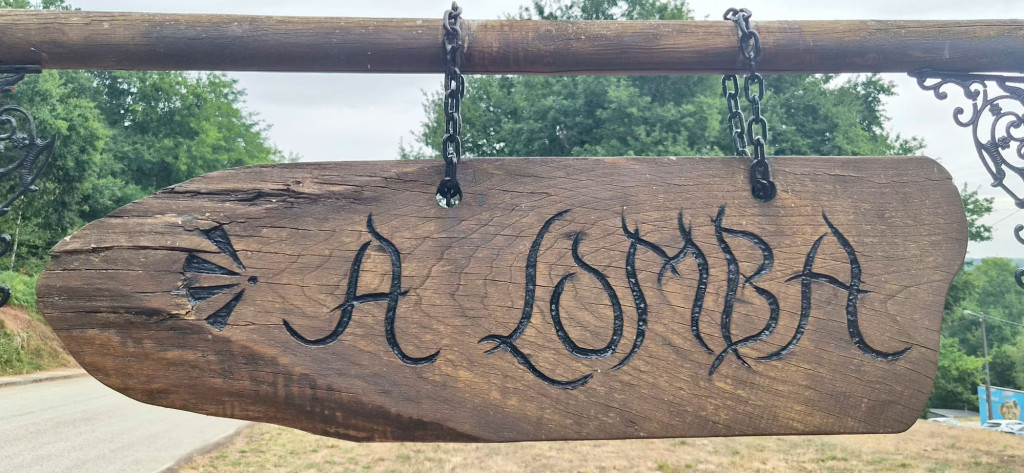
From A Lomba, the site chosen for the old fortress is better understood. The tower rises atop a hill, maintaining a close visual connection with the surrounding terrain. Hills, woodlands, meadows, farmland, and small settlements create a landscape where nature, history, and human activity converge.
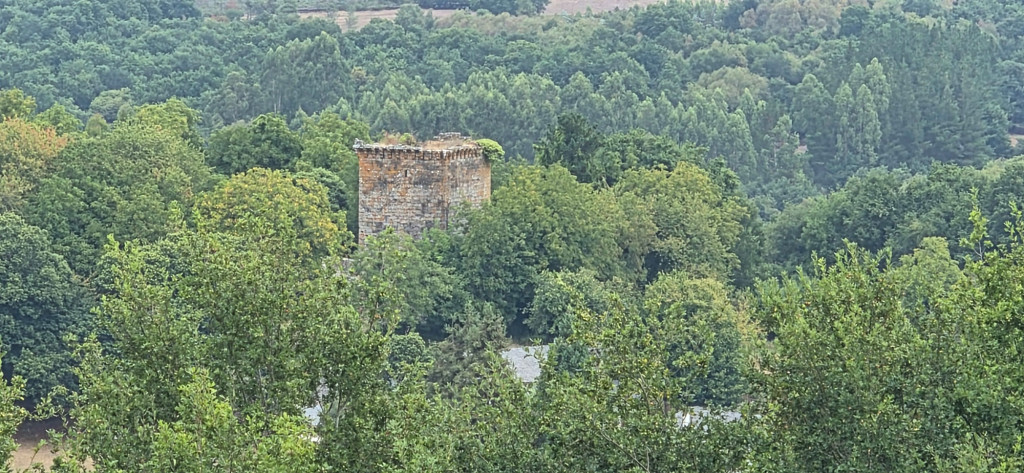
Viewing the castle from the lookout allows us to see it not as an isolated element, but as part of a territory it was meant to observe, control, and protect. Today, that same panoramic view invites us to discover how the forests, fields, roads, and the town itself continue to shape the landscape of Castroverde together.
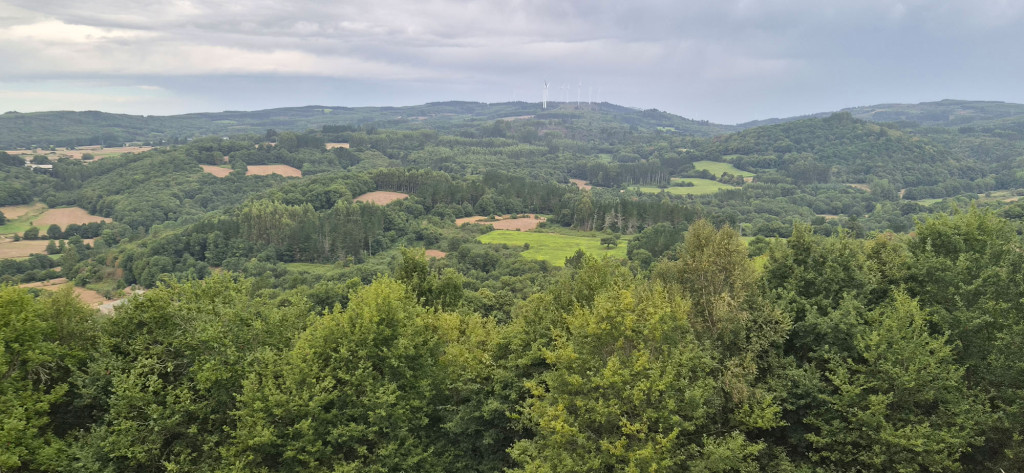
THE CATHEDRAL OF CASTROVERDE
Before reaching Castroverde, the Primitive Way offers two options: following the official route via Vilalle or taking the older path through Vilabade, which is slightly longer. Those who choose the latter option come across the Church of Santa María de Vilabade, known as the Cathedral of Castroverde and one of the municipality’s key monuments.
Its origins are linked to the reception of pilgrims and the presence of the Franciscans. The building, designated an Asset of Cultural Interest, incorporates elements from various periods, such as its Gothic portal, Neoclassical portico, wall paintings, and several altarpieces. Notable among them is the 18th-century Baroque main altarpiece, the work of Francisco Lens.
The traditional wooden roof structure also serves as a reminder that this material was present not only in rural dwellings and structures but also in buildings designed to endure and safeguard collective memory.
Next to the church stands the Pazo de Vilabade, a historic manor house that completes one of Castroverde’s most notable historical ensembles. It currently operates as rural tourist accommodation, a new use that helps preserve a building linked to the local heritage and the visual impression formed by pilgrims passing through Vilabade.
EVERYTHING IN ONE TREE
For generations, the chestnut tree was one of the most valuable trees in rural Galicia. Before the potato and other crops became widespread, the chestnut played a fundamental role in the diet of many parts of Galicia. It was consumed fresh, roasted, or boiled, but could also be dried and stored for months or processed into flour.
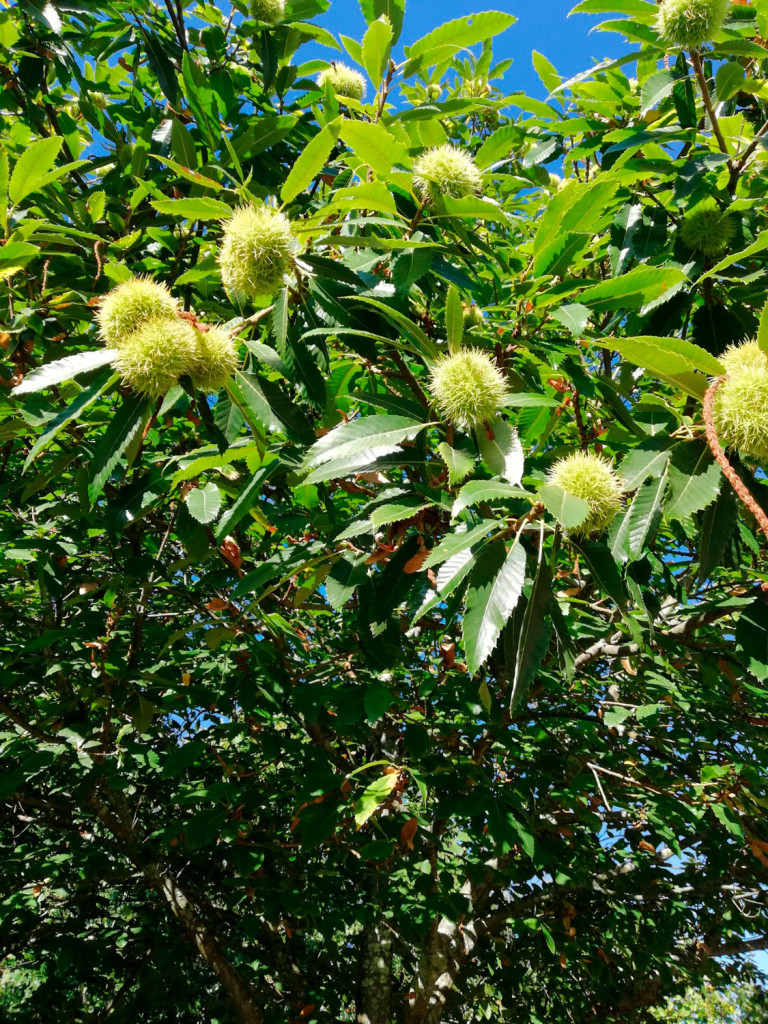
Its fruits have traditionally served as food for domestic animals and continue to nourish numerous wildlife species. Its flowers provide resources for pollinating insects and yield chestnut honey; its trunks, hollows, and crevices offer shelter to many species, while its canopy provides shade and refuge. Its wood is also used for heating homes and cooking. A single tree thus plays a part in many different relationships.
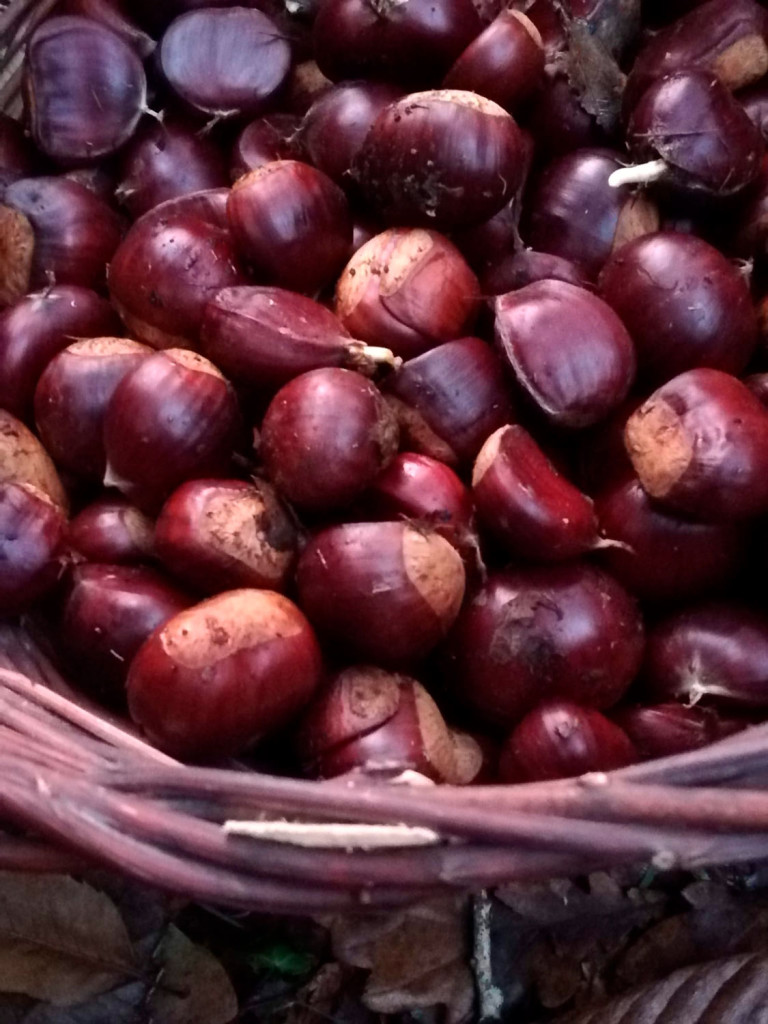
Thanks to its strength and durability, chestnut wood was traditionally used for beams, roofs, corridors, doors, flooring, furniture, tools, fencing, and barrels. Some of it still remains in structures and objects that have been in use for many decades—or even centuries.
Far from being a material of the past, today it continues to be used in the restoration of traditional buildings, carpentry, furniture, cladding, and contemporary architecture. Its responsible use makes it possible to keep alive knowledge passed down through generations and to obtain renewable, durable products capable of lasting for many years.
Chestnut groves with a memory
The importance of chestnut trees can still be read on the map. Names such as Soutomerille and Souto de Torres preserve the Galician word souto, which designates a tract of land planted with chestnut trees, generally tended for the purpose of obtaining fruit, timber, firewood, and other resources.
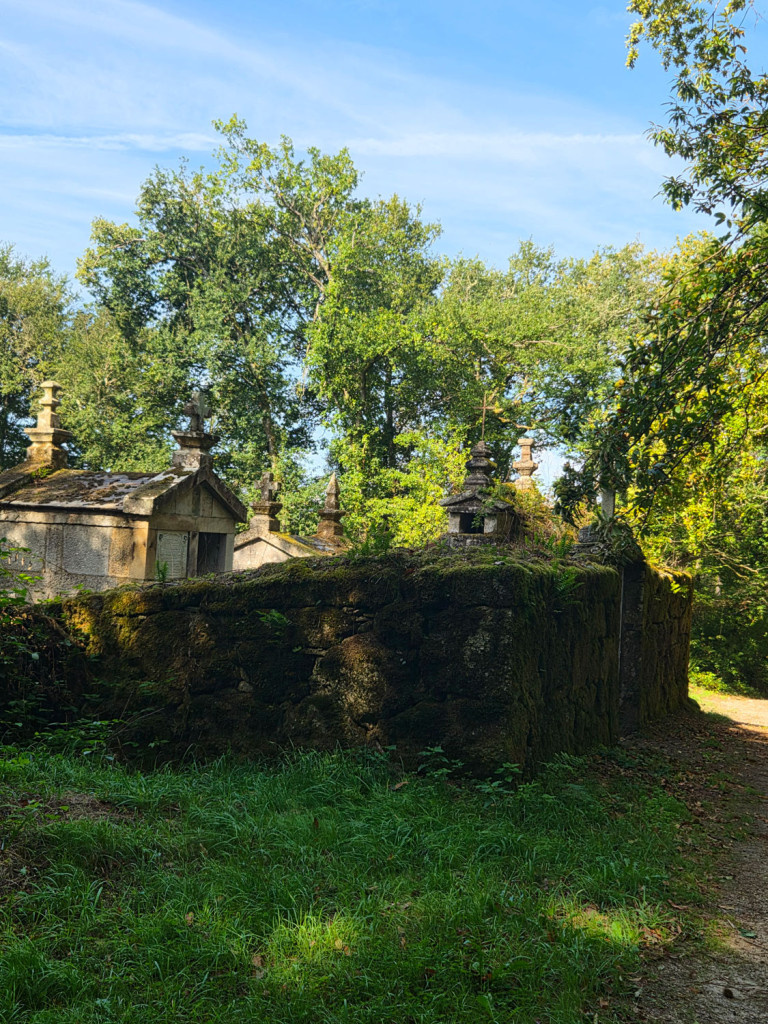
In Soutomerille, that memory also endures in the landscape. The path winds along ancient tracks flanked by chestnut and oak trees, as well as other centuries-old specimens. Beside one of these paths stands the Castiñeiro da Corredoira, a tree over three centuries old whose roots seem to embrace one of the old stone walls. Another notable specimen, known as the Castiñeiro do Neto, is found near the A Croa hillfort.
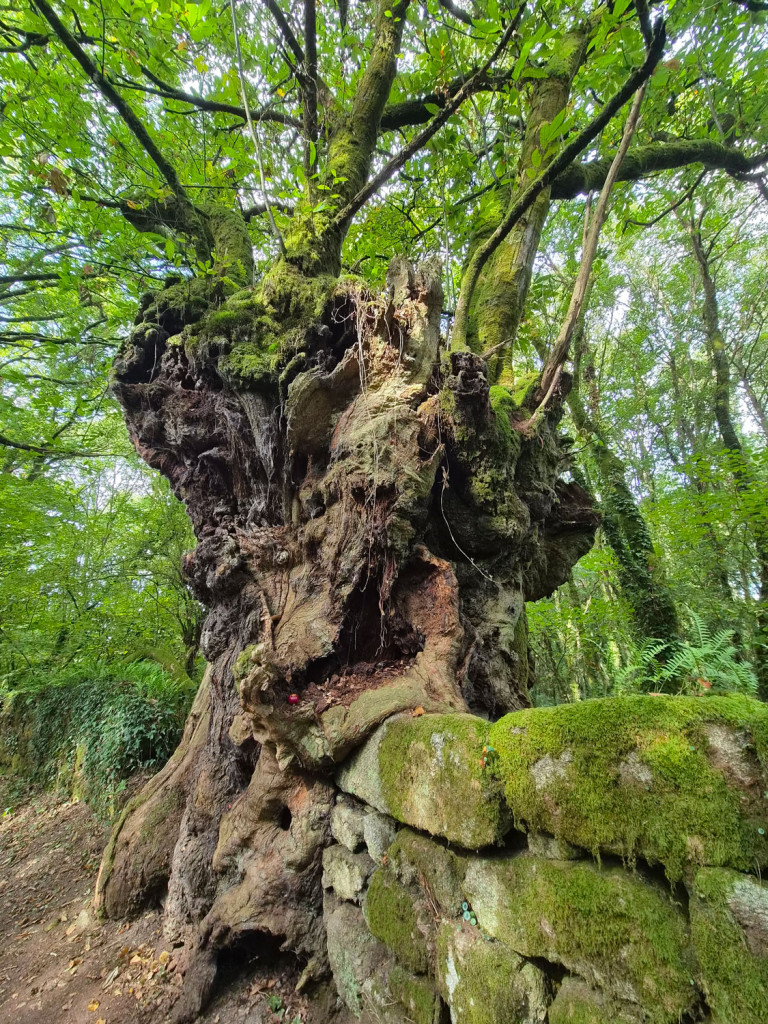
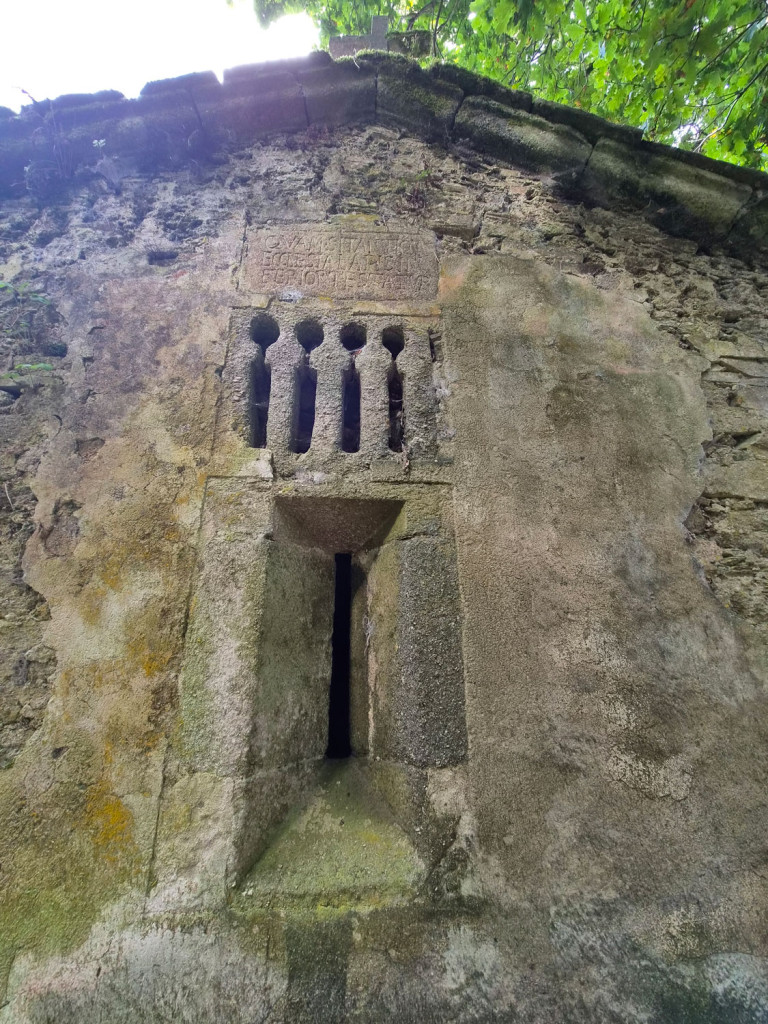
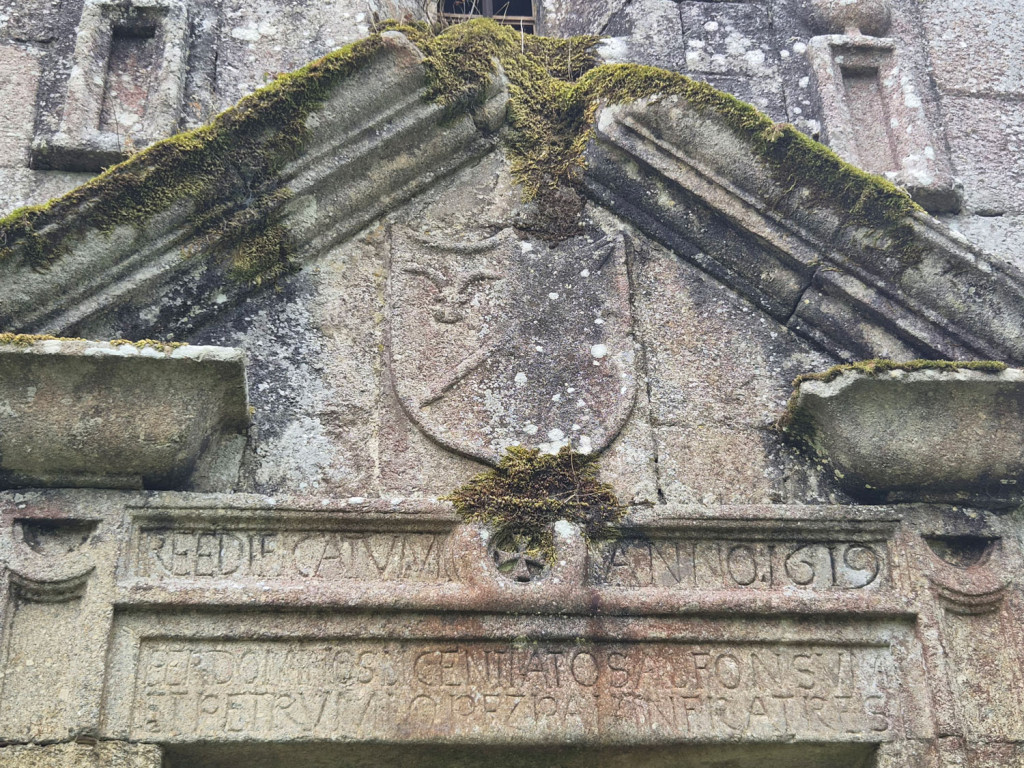
However, Soutomerille is not merely a place of centuries-old trees. The forest and its paths envelop a site of great historical, cultural, and scenic value. It is home to the Church of San Salvador—renovated in 1619 but featuring elements that point to an earlier structure—as well as a small stone cemetery, the Arriba and Abaixo tower houses, and the remains of the A Croa hillfort settlement, situated next to the rock formations known as Asentos dos Mouros. The Primitive Way runs through this area, connecting its various features.
Another large chestnut tree also grew near the church; it fell during a storm in 2015. Its trunk was subsequently moved to the area beside the Castroverde hostel, where it is preserved as a memento of a tree that had been part of the local landscape and collective memory for generations.
Soutomerille allows us to understand that heritage is not made up solely of individual buildings, archaeological sites, or trees viewed in isolation. The traditional paths, stone walls, hillfort, church, cemetery, and chestnut trees combine to form a cultural landscape shaped over time. Many of the chestnut groves we admire today are the result of generations of selection, planting, grafting, pruning, clearing, harvesting, and the transmission of knowledge. Their survival depends on continued care and ensuring that this knowledge is not lost.
THE ROLE OF PEFC
In Castroverde, the relationship between the woodland and the people can be observed in many ways: in the centuries-old chestnut trees and the groves tended for generations, in the timber preserved in traditional structures, in the forest areas that provide resources, and in the businesses and professionals that utilize and process them.
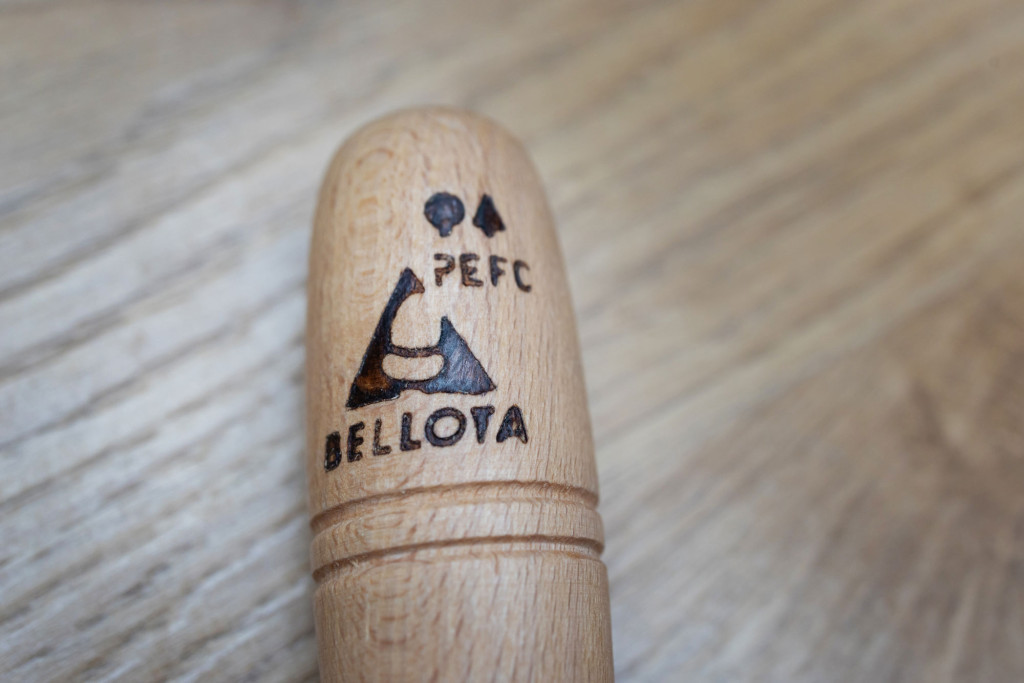
PEFC promotes sustainable forest management that seeks to maintain the capacity of forests to provide timber and other resources, while also conserving biodiversity, protecting soil and water, storing carbon, and taking into account social, cultural, and landscape values. Certification makes it possible to verify, through an independent assessment, that such management meets sustainability criteria.
The connection extends beyond the forest through the Chain of Custody, which makes it possible to track certified forest materials during their processing and marketing. In this way, the PEFC label helps the end consumer recognize products linked to responsibly managed sources.
This relationship is particularly evident in Castroverde, where forest areas and numerous certified companies coexist. Choosing products bearing the PEFC label supports a supply chain that begins in the forest, generates economic activity and jobs in rural areas, and brings renewable natural resources into our daily lives.

Project promoted by the Xunta de Galicia under the “O Teu Xacobeo” program